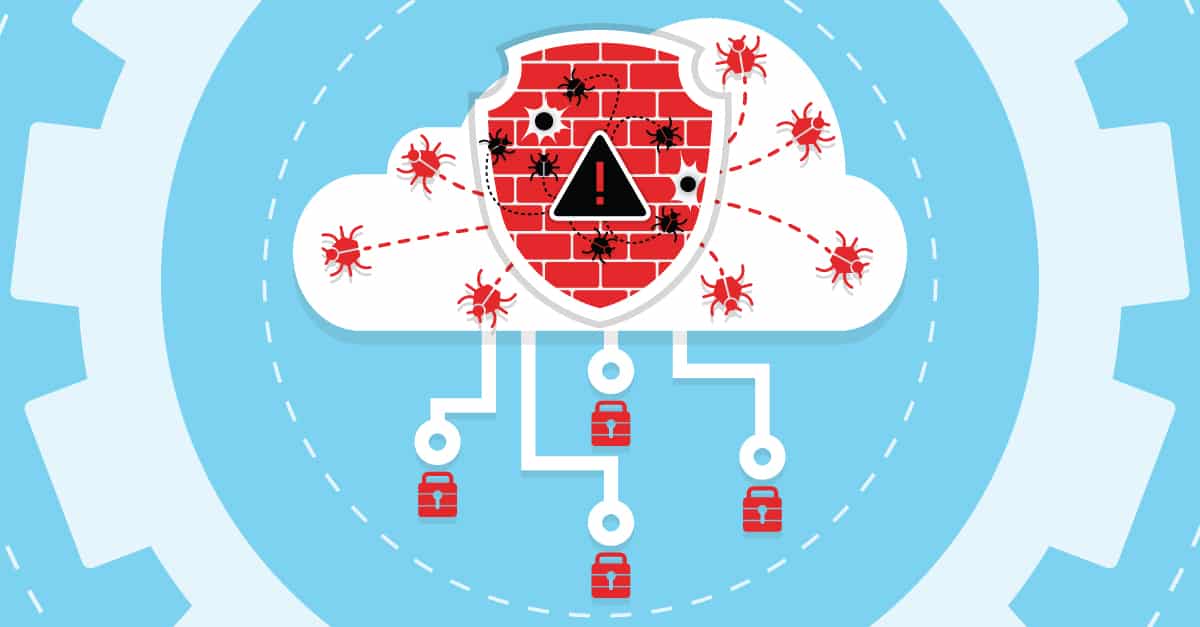
Every 11 seconds, a new organization gets hit by ransomware. Any organization, regardless of size or industry, is at risk. A report by Cybersecurity Ventures found that ransomware attacks surged by 105% in 2021, costing $20 billion worldwide. The three most common ways ransomware spreads are ransomware emails, software vulnerabilities and server weakness exploits. Because…
During the July Microsoft Inspire conference for Microsoft partners, CEO Satya Nadella delivered the keynote address focusing on the theme of companies can “Do More with Less” when it comes to IT initiatives. Along those lines, Nadella emphasized five digital imperatives customers need to achieve: Nadella also underscored how these five imperatives go beyond digital…
It’s a well-documented fact: Microsoft is all-in on cybersecurity. Last year, the company pledged to invest $20B into cybersecurity initiatives over the next five years — a significant increase from the $1B in annual security spending that has been the norm for years. There’s the Microsoft Compromise Recovery Security Practice (CRSP) – a collaborative effort…
Microsoft 365 protects data and digital resources from ransomware in multiple layers. The Microsoft 365 apps themselves come with baked-in defenses that protect customer data from phishing, spoofing, data corruption, and ransomware encryption. OneDrive, Teams, and SharePoint online include built-in virus protection, built-in versioning, and recovery tools. Microsoft Teams lets admins define data loss prevention…
Many organizations have amassed all of these cloud-based tools — some complementary, others competing — in an effort to address the needs of every department, team, or stakeholder group. What ends up happening is, businesses are stuck managing ever-expanding data sets across multiple silos. And as a result – open the door to ransomware attacks…
The Microsoft Power Platform allows users to work with data and build custom apps, websites, and automations that protect your organization, surface detailed insights that detect anomalies and threats in real-time, and embed security protections into your creations. All Power Platform solutions operate on a security model provided by Microsoft Dataverse that protects data privacy…
Microsoft Entra consists of three core products: the familiar Azure AD – along with two new solutions, Microsoft Entra Permissions Management and Entra Verified ID. It’s a rebrand of Microsoft Identity Solutions – designed to tackle identity and access management (IAM) on multiple fronts – without adding friction to workflows and daily interactions. Crucially, Entra…
Is cloud storage safe from ransomware attacks? The short answer is, it depends on, well, several things. Though, whether or not cloud storage is definitively safe is beside the point because the “cloud safety” conversation has changed. See, the cloud has transformed the way we communicate, collaborate, and access information — both at work and…
Professional services firms are vulnerable targets for cyber criminals for a few key reasons. For starters, this is an industry that deals in valuable information. Knowledge workers typically rely on some combination of client data, original research, and proprietary IP to deliver insights and solutions that drive specific outcomes. In other words, firms are sitting…
Today’s businesses are up against an increasingly organized and sophisticated attacker ecosystem. For example, human-operated attacks exploit vulnerable services and network configuration weaknesses to deploy ransomware payloads, exfiltrate data, and steal credentials. And those threat actors move FAST. When there’s gaps in your security solution or you’ve got silos standing in the way of end-to-end…